Planning with Purpose
October 13, 2025
By Jennifer Lee
Designing instruction around real-time readiness, not assumptions
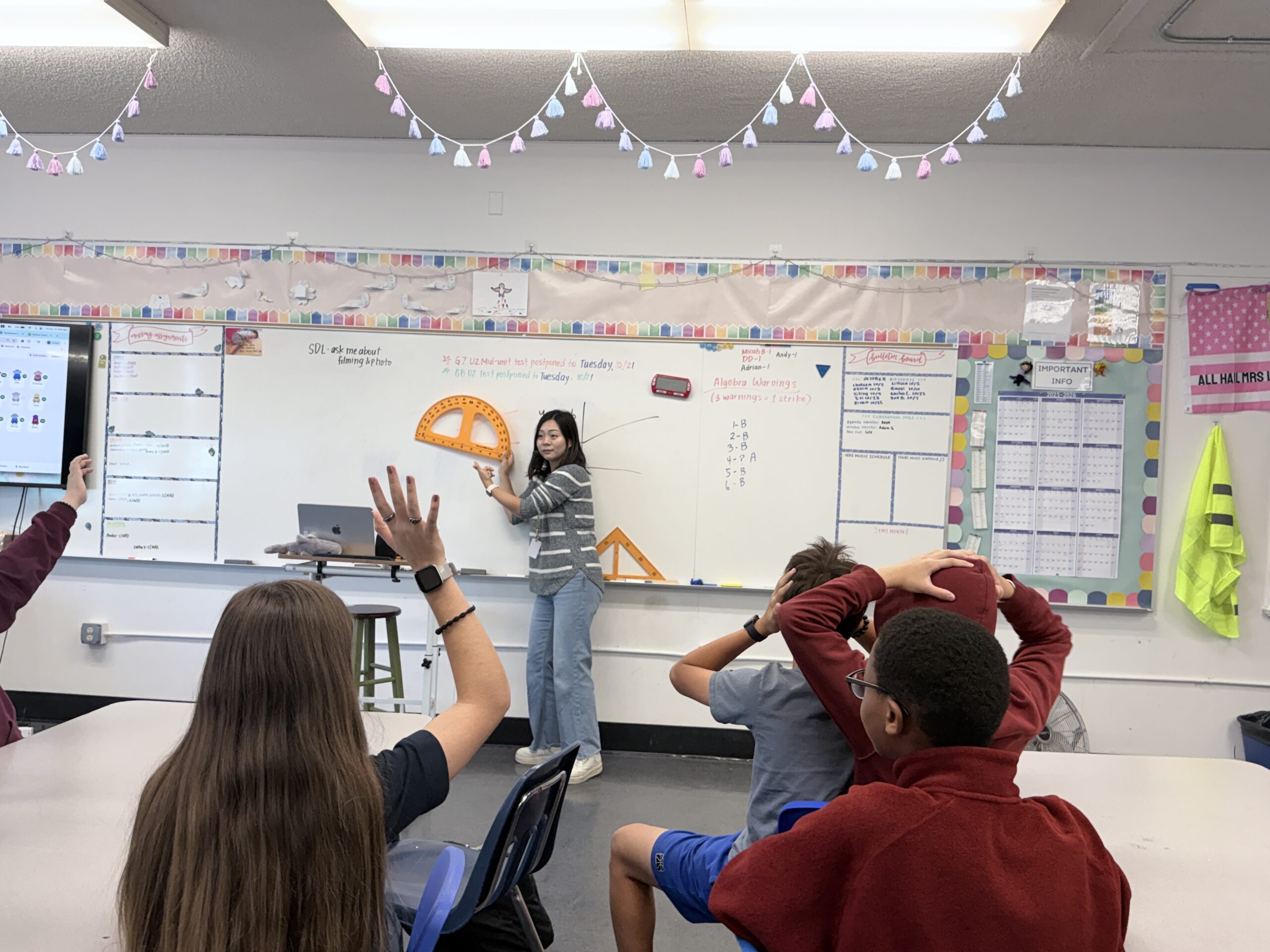
As a teacher in my 11th year of using real-time data to guide instruction, I’ve come to see it as essential for supporting students in math. What I appreciate most is how it helps me design instruction that is directly responsive to student needs. Instead of guessing what to reteach or relying only on assessments, I can see where my students are in real time. This makes my planning more intentional, my small-group time more effective, and my differentiation more meaningful. (For me, Teach to One Roadmaps has been the tool that makes this kind of planning possible.)
Making Reviews More Intentional
One way I put this into practice is when preparing for end-of-unit reviews. Throughout a unit, I track which skills most students master quickly and which ones prove more difficult. For example, I might notice that students master a skill on identifying proportional relationships within one or two attempts, but need several attempts—or fail altogether—on applying those proportions to solve word problems. This information changes how I structure the final review days before a test. Instead of spending equal time on every topic, I focus class time on the skills that the data shows are most challenging. Students recognize this too, and many have commented that our review feels more helpful because it targets the places where they actually struggled.
Small-Group Intervention with Purpose
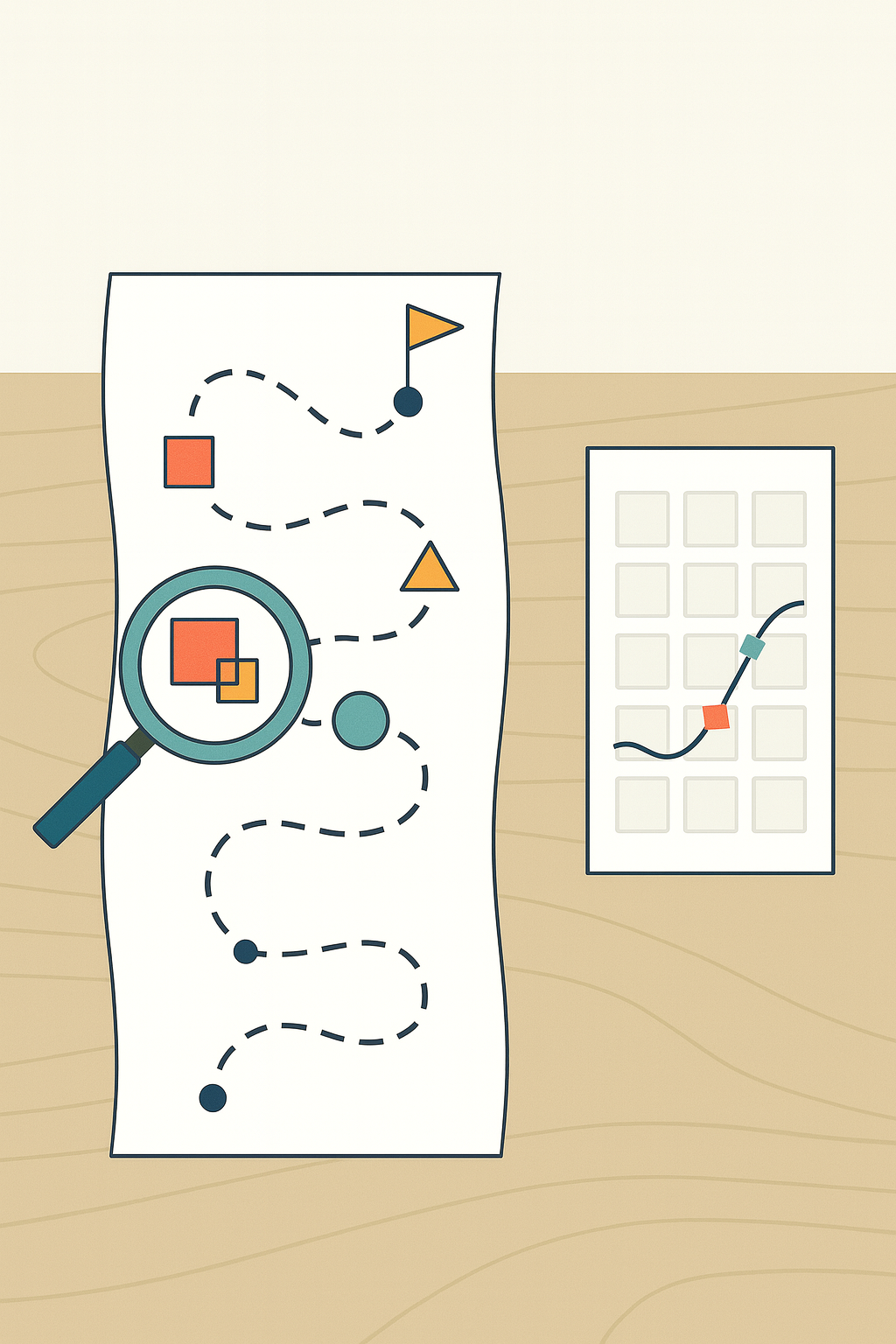
Real-time data has also transformed how I approach small-group intervention. It allows me to quickly see which students are struggling with the same skills, so I can form groups that make sense instructionally. If I notice that six students are all having difficulty with solving multi-step equations, I can pull them together for a focused mini-lesson. During our school’s intervention block, I also identify students who are falling behind more broadly. Sometimes it is not just one skill but a pattern of missed attempts across multiple areas. Those are the students I prioritize for small-group reteaching and practice. This kind of grouping makes my intervention time much more efficient and ensures that students get the targeted support they need.
Differentiating While Staying Connected
Another powerful shift has been how I approach differentiation for students working below grade level. In every class, I have a small group of students who are significantly behind in math. Without a clear way to plan, it can be difficult to give them practice that feels connected to what the class is doing but is also accessible. By assigning support skills that build the foundation for the current unit, I can make that connection. For instance, if the class is working on ratios and proportions, I might have those students practice equivalent fractions or multiplication facts to strengthen the building blocks needed for proportional reasoning. This helps them stay engaged and experience success while also moving toward grade-level work.
The Payoff of Planning with Real-Time Readiness
Ultimately, planning with real-time readiness in mind has given me a data-driven way to personalize learning for all of my students. It saves me planning time, helps me make better instructional decisions, and ensures that every student—from those who need extra support to those working on grade-level skills—has a pathway to growth. For me, this approach has become more than just an add-on; it is a central part of how I teach math.
About the Author

Jennifer Lee has spent the past 11 years in education, teaching in both public school districts and a dual-immersion public charter school. Her teaching philosophy centers on cultivating joy in learning and inspiring students to nurture their own curiosity. Beyond the classroom, she has served on instructional leadership teams for several years, currently leads as a middle school department chair, and contributes as a member of Teach to One’s advisory council.
Latest Posts
Data-Informed Instruction: A Formula for Success
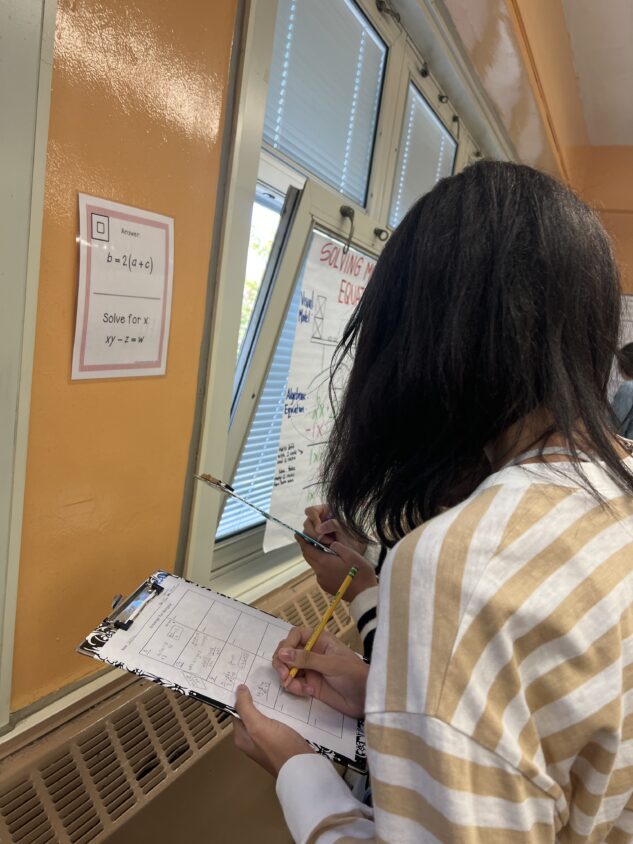
In my classroom, kids don’t need more work—they need the right work. By using quick formative assessments like exit slips at the end of each class, I gather real-time data to guide flexible, responsive grouping for the following week. It’s all about solving for what students need, not just assigning pages from the book.

Inside the Roadmaps Impact Study: Using Data to Validate What Works — and Inform How You Teach
The Impact Study shows how personalized learning translates into outcomes on trusted benchmarks. Because Roadmaps tracks each student’s demonstrated math skills and progress toward proficiency, the analysis shows how time spent in Roadmaps and completing skills leads to evidence of real learning.
Behind the Results: Doubling Test Scores at AECI II
Despite trying multiple programs and interventions, fewer than one in four passed New York State’s Regents exam. School leaders knew a change was needed and made the decision to implement Teach to One Roadmaps.
