Experts say the move toward a personalized learning system like Teach to One 360 is long overdue
September 29, 2020
By The New York Times
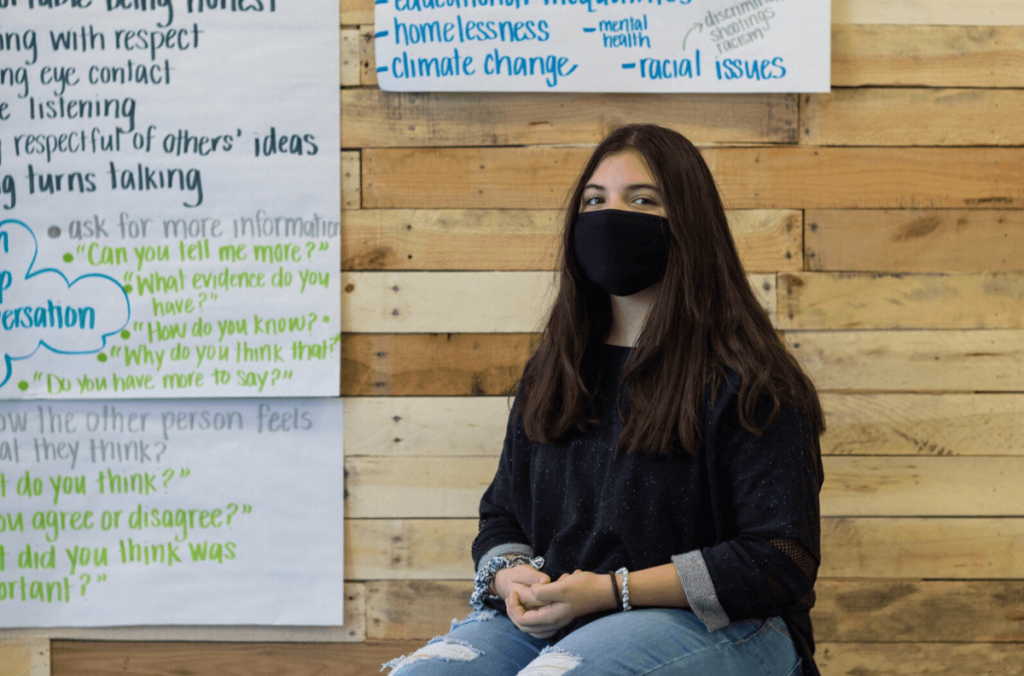
Seventh grader Nina Mones, a student at Phoenix International Academy, initially struggled with math but new initiatives are helping her flourish. (Photo Credit: Caitlin O’Hara for The New York Times)
Computer algorithms and machine learning are helping students succeed in math. Some experts see such efforts as a crucial next step in education.
By Janet Morrissey, The New York Times
When 12-year-old Nina Mones was in sixth grade last year, she struggled to keep up with her math class, getting stuck on improper fractions. And as the teacher pushed ahead with new lessons, she fell further and further behind.
Then in the fall of 2019, her charter school, the Phoenix International Academy in Phoenix, brought in a program called Teach to One 360, which uses computer algorithms and machine learning to offer daily math instruction tailored to each student. Nina, now in seventh grade, flourished.
“I’m in between seventh- and eighth-grade math now,” she said, proudly. “It gave me more confidence in myself.” And when the coronavirus shutdown occurred, she said, her studies continued uninterrupted, thanks to the program’s online portal.
“This is a model for personalized learning,” said Sheldon H. Jacobson, professor of computer science at the University of Illinois at Urbana-Champaign and a risk assessment public policy consultant.
The move toward a tech-driven, personalized learning system, like Teach to One 360 from a nonprofit called New Classrooms, is long overdue, experts say. Other industries, such as health care and entertainment, have been shifting in this direction for years. Personalized medicine, for example, looks at DNA biomarkers and personal characteristics to map out a patient’s most effective treatment, Professor Jacobson said.
Latest Posts
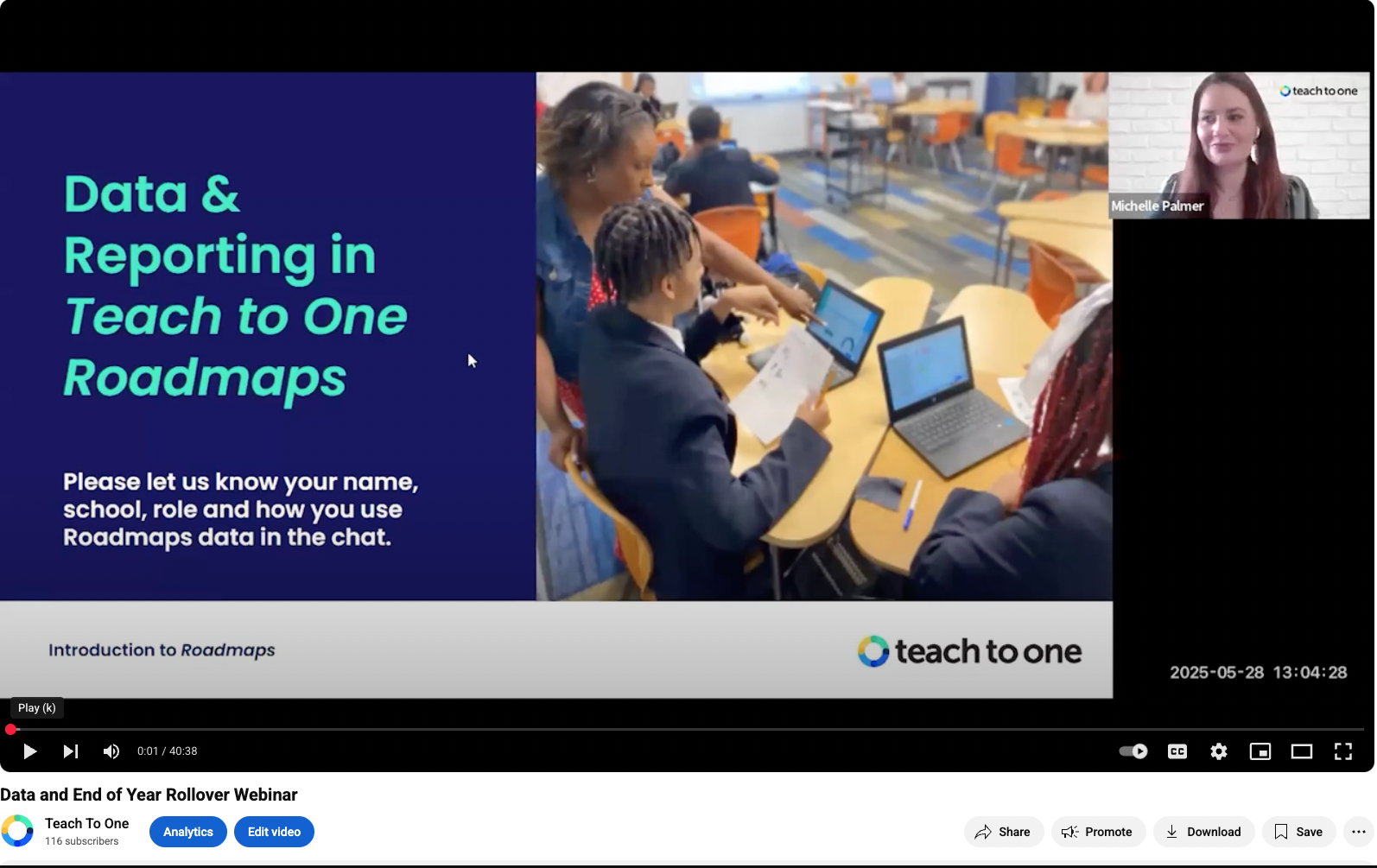
Recording: Data and End of Year Rollover Webinar
In this 45-minute webinar recording, Michelle Palmer, Senior Director of Customer Success, and Liat Greenspan, Associate Director of Program Success, explain how to assign a skill or pathway, use the Teacher Dashboard to identify struggling students, leverage the Reports Hub for weekly planning, and monitor growth and engagement on the Progress Page.
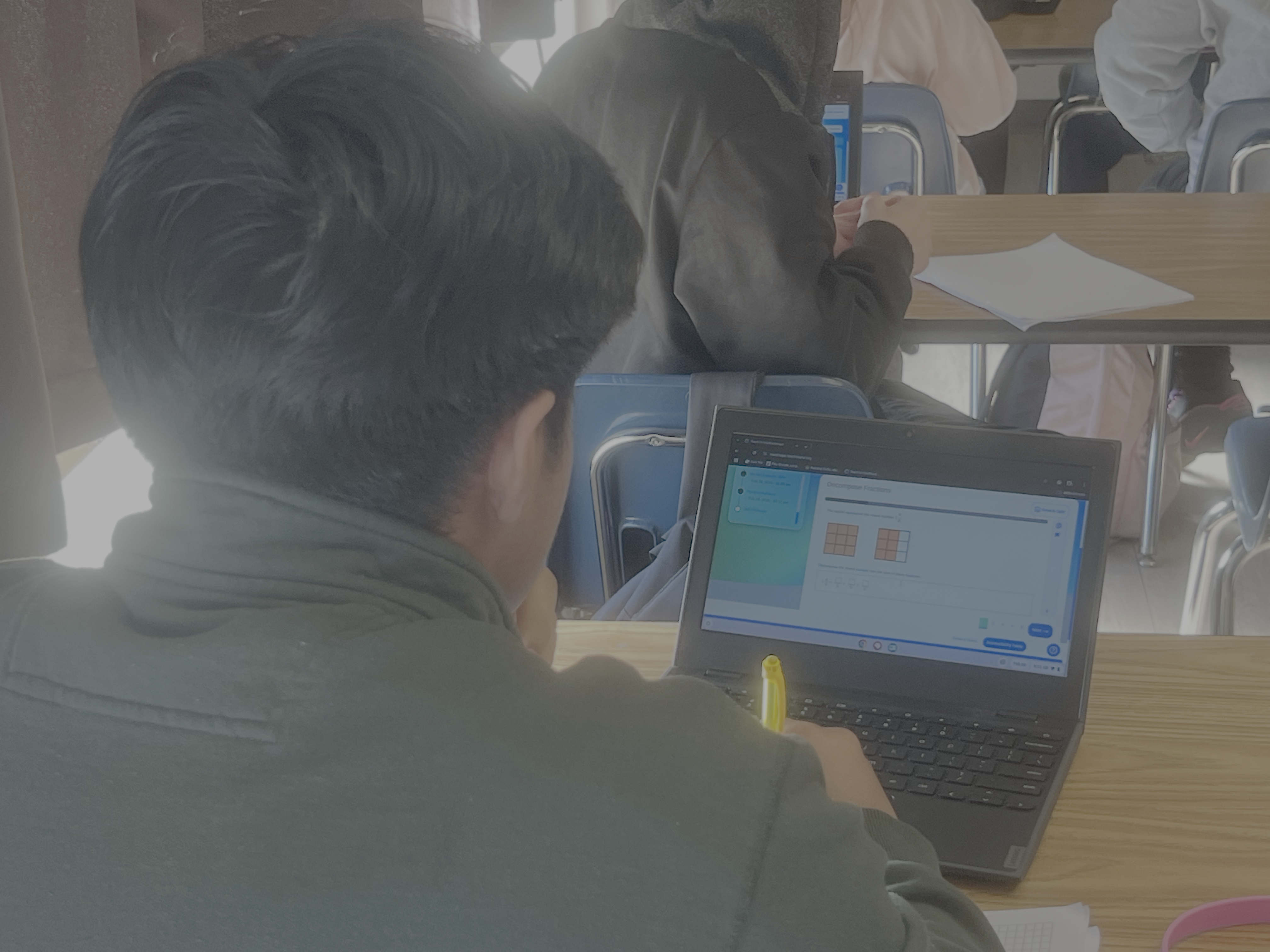
Getting Students Engaged in Math at Valley Charter
Students arrive at their assigned seats equipped with laptops and individualized Teach to One Roadmaps packets, which include a work time poster, a note-taking sheet, and graph paper.

Webinar Recording: Unlocking Algebra
On Tuesday, May 13, TNTP and New Classrooms released the report: Unlocking Algebra – What the Data Tells Us About Helping Students Catch Up. On the same day Adam Meier, Partner, Research Center of Excellence, TNTP, and Joel Rose, Co-founder and Chief Executive Officer, New Classrooms, presented the findings, recorded in the webinar below. Looking […]
