Effective Summer Break Activities and Strategies for Students, Teachers, and School Districts to Prepare for Fall Classes
July 19, 2022
By Next Generation Learning Challenges
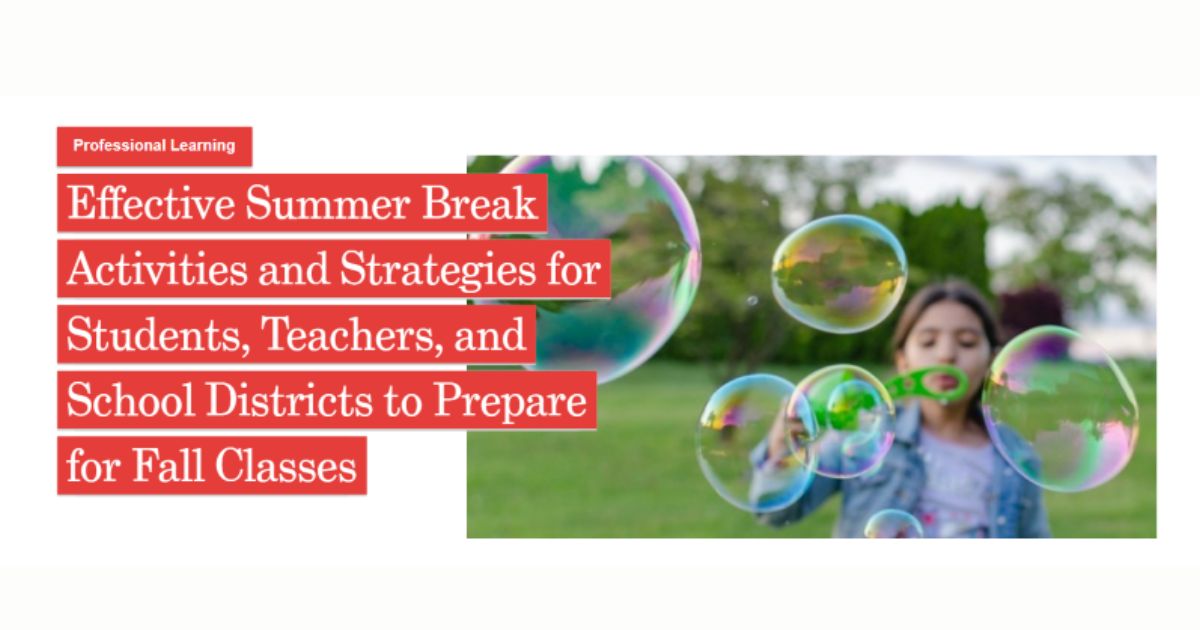
Summer break is often viewed as a preparation or professional development opportunity. However, it’s just as important to rest the mind. Here’s how students and teachers can balance the two so they return to class rejuvenated and ready—and what districts should focus on in the meantime.
What Students Can Do During Summer Break
- Use at-home digital tools for self-assessment. Understanding your level—and skill gaps—in reading, writing, math, or other key subjects—is essential for development.
- Use an at-home digital tool for preparation. Pick a couple of subjects you really want to focus on for either “catch up” or to get ahead so you’ve got a jump on the school year.
- Switch off and relax. The “all work, no play” maxim may seem cliché, but it’s true! Be sure to get out, have some fun with friends, and avoid burnout from over-study.
Visit Next Generation Learning Challenges to continue reading how teachers and districts can have an effective summer break filled with activities and strategies to prepare for fall classes.
Latest Posts
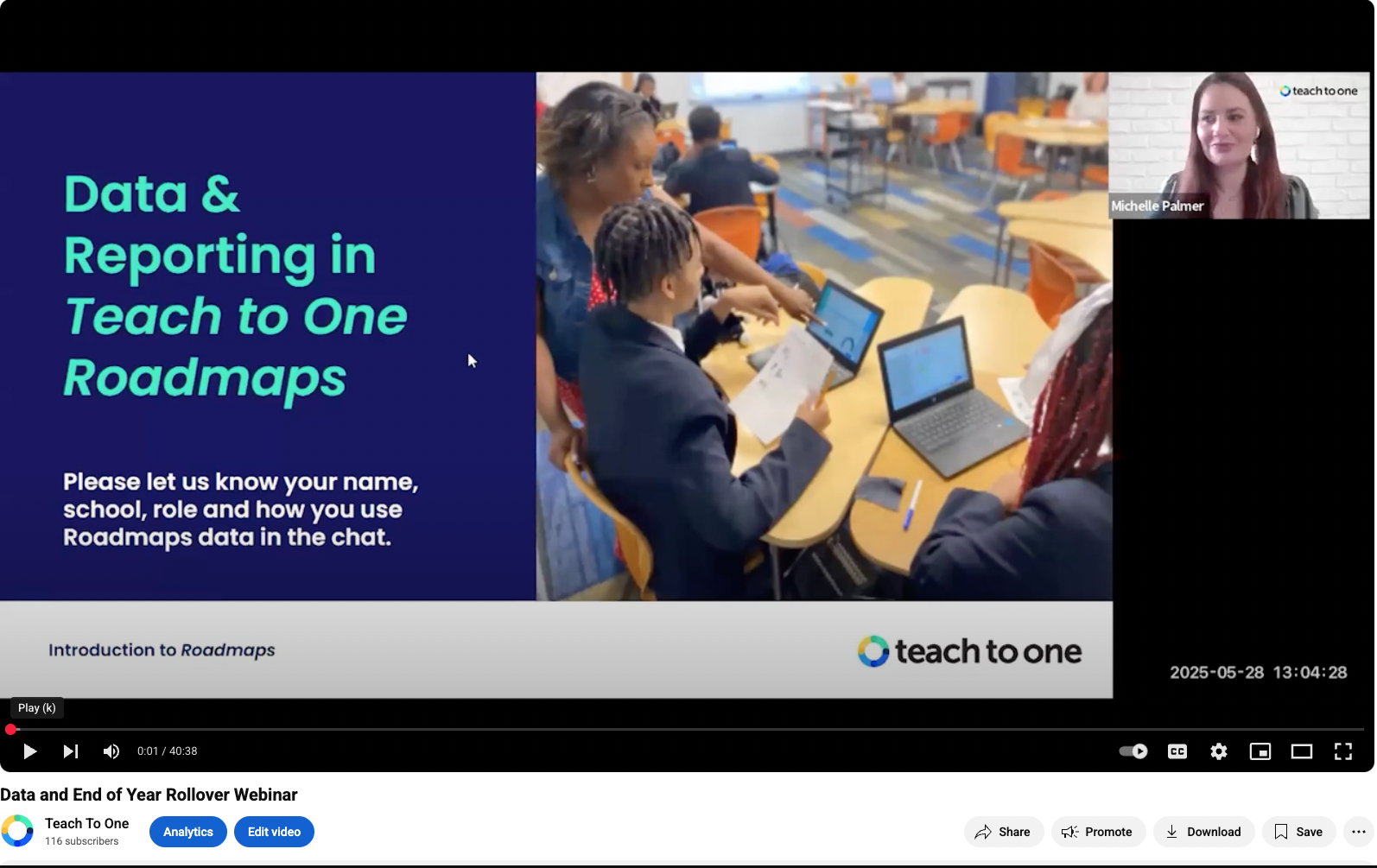
Recording: Data and End of Year Rollover Webinar
In this 45-minute webinar recording, Michelle Palmer, Senior Director of Customer Success, and Liat Greenspan, Associate Director of Program Success, explain how to assign a skill or pathway, use the Teacher Dashboard to identify struggling students, leverage the Reports Hub for weekly planning, and monitor growth and engagement on the Progress Page.
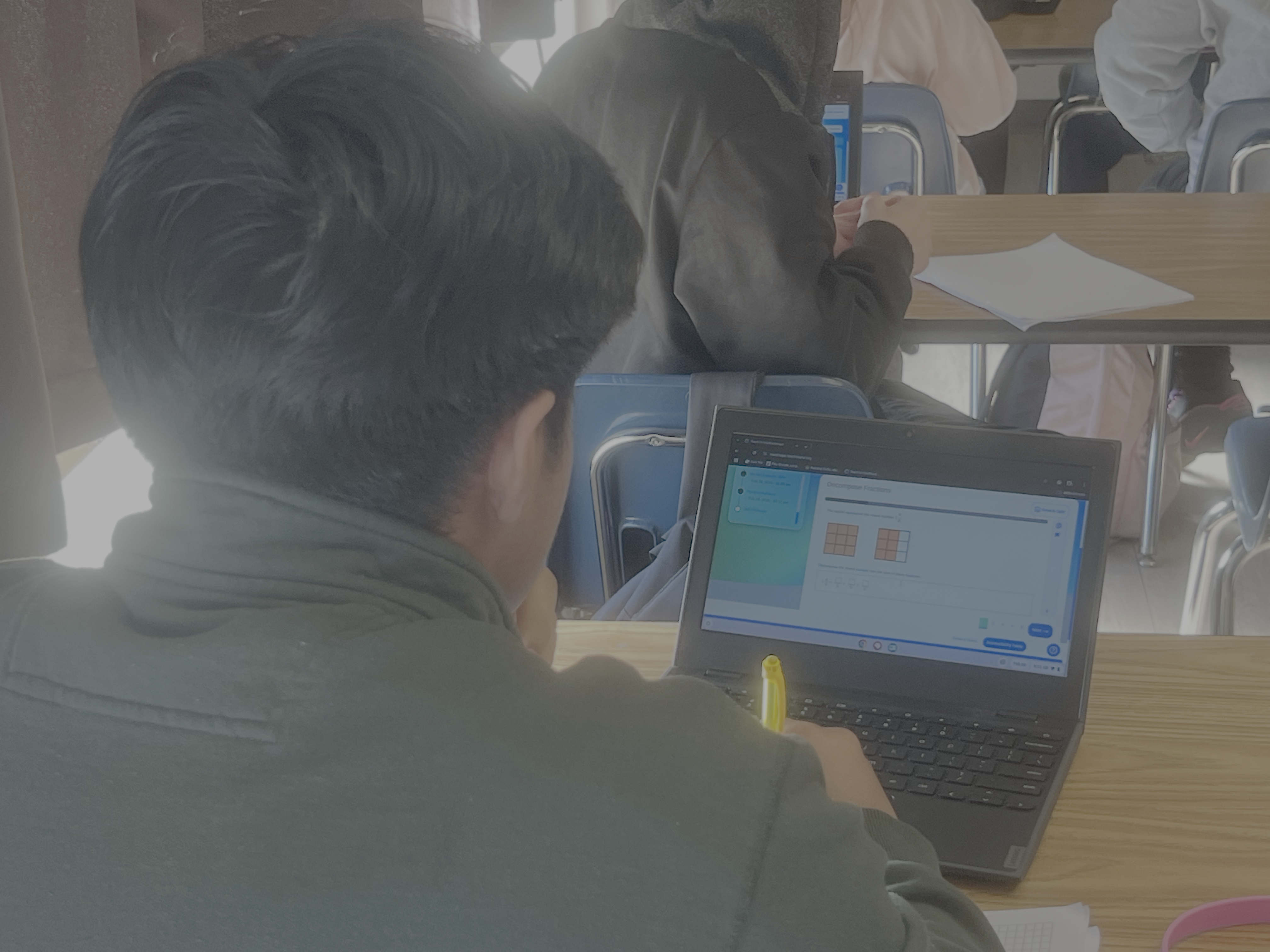
Getting Students Engaged in Math at Valley Charter
Students arrive at their assigned seats equipped with laptops and individualized Teach to One Roadmaps packets, which include a work time poster, a note-taking sheet, and graph paper.

Webinar Recording: Unlocking Algebra
On Tuesday, May 13, TNTP and New Classrooms released the report: Unlocking Algebra – What the Data Tells Us About Helping Students Catch Up. On the same day Adam Meier, Partner, Research Center of Excellence, TNTP, and Joel Rose, Co-founder and Chief Executive Officer, New Classrooms, presented the findings, recorded in the webinar below. Looking […]
